
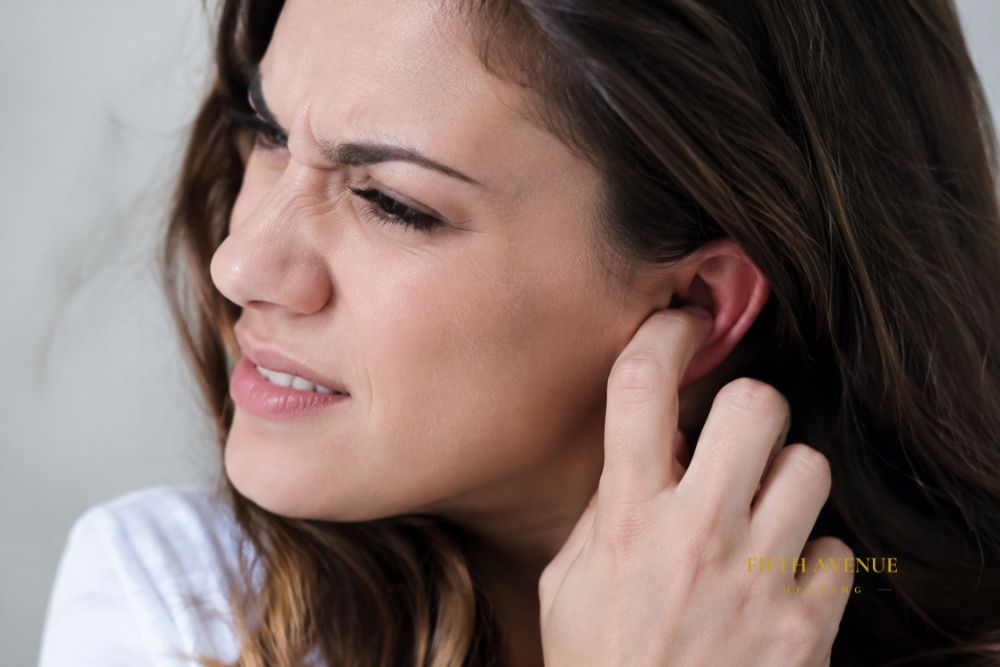
Most itchy ears come from dry skin in the ear canal, an earwax problem, a skin condition, or something that rubs inside the ear, like a hearing aid or earbud. If the itch lasts or comes with pain, drainage, swelling, or a change in your hearing, have your ears examined.
Itching is one of the most common complaints we hear from hearing aid wearers.
When a patient tells us their ears itch, Dr. Yakubov starts by looking inside the ear canal for dryness, wax, or signs of infection. Next, she checks how the hearing aid sits in the ear and what the dome or earmold is made of, and asks how the patient cleans and dries their devices.
Often, the fix is a small adjustment, a different material, or a better cleaning routine. If the cause is an infection or a skin condition, we refer the patient to a physician.
What causes itchy ears
Dry skin in the ear canal
The skin lining the ear canal produces less oil as we get older. When that skin dries out, it flakes and itches. This is common in older adults.
Earwax: too little or too much
Earwax protects the ear canal and keeps the skin from drying out. When you clean your ear too much, the canal gets dry and itchy.
A heavy buildup of wax causes problems, too. Some people who come in thinking they have hearing loss turn out to have a wax blockage. If that sounds familiar, read about earwax removal in New York before you buy anything for your ears.
Hearing aids and earbuds
Anything that sits in your ear for hours holds moisture against the skin and rubs against it. Some people also react to the material that touches the ear canal. A hearing aid or earmold that fits poorly makes both problems worse.
Allergies and skin conditions
Eczema, psoriasis, and contact dermatitis affect the ear canal the same way they affect skin anywhere on the body. Hair products and shampoos set off reactions in some people. Pollen allergies can make the ears itch, along with the eyes and throat.
Is an itchy ear a sign of infection?
It can be. Itching is sometimes the first symptom of an outer ear infection, including a fungal infection.
Watch for pain, drainage, swelling, or a change in your hearing. Any of these, alongside the itch, means you need an ear exam. Water that stays in the ear canal after swimming raises the risk of an outer ear infection called swimmer’s ear.
What not to do if you have itchy ears:
Using cotton swabs inside the ear. They push wax deeper and can injure the skin of the ear canal.
Scratching the affected ear with a fingernail, key, or anything else. This puts you at risk of irritation, and broken skin can let bacteria in.
Overcleaning. Earwax is meant to protect and lubricate the ears. Removing too much of it makes the itching worse.
Using random ear drops or home remedies. Some products irritate the ear canal, while some are unsafe to use if the eardrum is damaged.
Ignoring an itch that won’t go away. Itching that keeps coming back has a cause, and an ear exam finds it.
How to stop the itching
Treat the cause. Dry skin, earwax, allergies, eczema, and infection each require different treatments, so the first step is to find out which one you have.
For dryness, a healthcare professional can recommend a moisturizer that is safe for the ear canal. Stop cleaning inside the ear, too, since overcleaning strips away the wax that keeps the skin moist.
For a wax blockage, have a professional remove the wax instead of digging at it yourself.
Infections and skin conditions like eczema and psoriasis need a physician to diagnose and treat them. If we see signs of either during your exam, we refer you.
If your hearing aids are the cause, a fit adjustment or a different dome or earmold material usually solves it.
We don’t recommend over-the-counter ear drops before a healthcare professional has looked inside your ear. Putting eardrops in an ear with a perforated eardrum can cause more problems.
When your hearing aids make your ears itch
If you wear hearing aids and experience persistent itching, don’t assume it’s something you simply have to live with.
At Fifth Avenue Hearing, Dr. Yakubov looks at your ear canal and checks how your hearing aid sits in your ear. She also looks at the dome or earmold material and asks how you clean and dry your devices.
Clean your hearing aids every day and let them dry overnight. Our guide to taking good care of your hearing aids covers daily care.
If a new device is the problem, the fit is the first thing we check. A proper hearing aid fitting in New York includes making sure the device is comfortable to wear all day.
When to see an audiologist for itchy ears
Book an ear exam if the itch is persistent or progressive, or accompanied by pain, drainage, swelling, or a change in hearing. Severe pain or fever needs a physician right away.
At Fifth Avenue Hearing, comfortable ears matter to us because a hearing aid that irritates your ear ends up in a drawer instead of in your ear.
If your hearing aids are causing irritation or discomfort, let us know. A small adjustment is often all it takes to make them comfortable to wear again.
Call Fifth Avenue Hearing at 212-301-7779 or visit us at 9 East 62nd Street, Suite 1F.


